Richie Jones
Class of 2020 · Howard University, NCAA Division I
College golf recruiting
Coaches can’t see every player in person. We help juniors build a list of schools, make a profile and highlight video that coaches will watch, and reach out the right way.
Standard turnaround is one to two weeks after we receive final footage. Rush delivery is available for an added fee.
Academy players who went on to college golf.
Class of 2020 · Howard University, NCAA Division I
Class of 2019 · Hampton University, NCAA Division I

Class of 2019 · University of Tampa, NCAA Division II
Class of 2019 · Farmingdale State College, NCAA Division III

Class of 2018 · St. Thomas Aquinas College, NCAA Division II
Class of 2016 · Franklin Pierce University, NCAA Division II
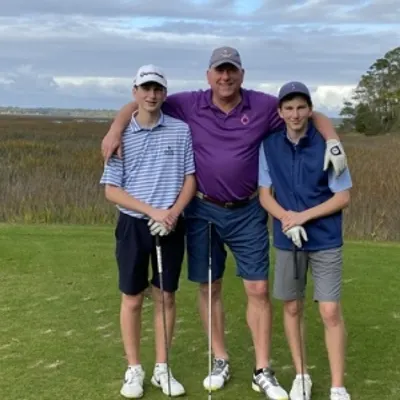
Class of 2022
Andrew’s profile (opens in a new tab)Matthew’s profile (opens in a new tab)

Class of 2022
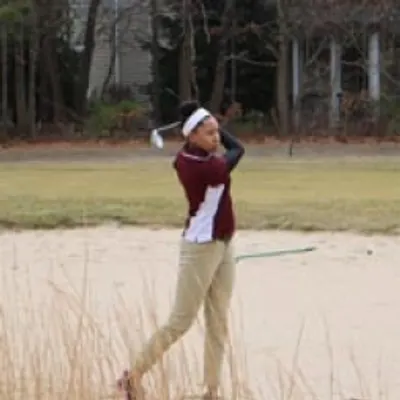
Class of 2018
The questions families ask us most.
Earlier is better. In ninth grade, start thinking about what you want academically and in golf, and confirm your high school courses count toward NCAA eligibility. This matters most for online or non-traditional schools; the NCAA Eligibility Center (opens in a new tab) can tell you.
By junior year you should have a short list of schools, sorted by golf fit and academic fit, and be in touch with those coaches.
Rankings first. Coaches lean on the Junior Golf Scoreboard, which ranks players on 36-hole-or-longer events from the past 365 days. You need four events in that window to be ranked.
Many coaches want to watch you play, because a competitive round shows temperament, decision-making and how you handle a bad hole. When they can’t travel to see you, a well-made highlight video and profile does that job.
By email, and from the player, not the parent. Address the coach by name (“Coach Smith,” not “Dear Coach”), give your graduation year, link your profile, say why you’re interested in the school, and ask what else they’d like to see. Keep it short so it gets read.
You can email or call a coach at any time. What changes is when they can reach back: for most Division I sports, golf included, coaches may start calling, texting and emailing on June 15 after a player’s sophomore year. Rules differ by division and are revised often, so check the NCAA (opens in a new tab) calendar before you plan around a date.
Ask directly about scholarship money, playing time and what they expect from you. A coach’s answers will tell you where you’d stand on the roster. We help families ask those questions and make sense of the answers.
Most schools use the Common Application (opens in a new tab) plus a school-specific supplement. Use the essays to show who you are. They don’t need to be about golf. Have someone proofread for content and grammar.
Write every deadline down.
Demanding. Between travel, practice, qualifying, strength training and meetings, the week fills up. In Division I the NCAA caps required athletic activity at 20 hours a week in season and 8 hours out of season; other divisions and conferences set their own limits.
You will miss class for tournaments. Tell your professors ahead of time and arrange to make up the work. Most schools have academic centers and tutors for athletes.
Support and guide; don’t run it. The player is the one who will attend the school and play for the coach, and coaches notice which recruits take the initiative. That doesn’t stop once your player gets to college. Many programs have their own parent policies, and it’s a good question to ask on a visit.
They’re a great experience: long practice days, team competition and a feel for campus life. But coaches rarely use their camps to recruit, so go because you want to, not to be discovered.
A single 30-minute lesson is $60, paid at the lesson. When you’re ready for more, packages bring it down to $50 a lesson.
Prefer to talk first? Call (631) 655-2233